Lissa
Singer

Lissa is a singer-songwriter originally from the American Northeast and now working out of Los Angeles.Intensely private and operating primarily as a studio-bound project, she looks beyond conventional confessional songwriting for stories worth telling. Her work moves freely between history and the present—through late-Republican Rome, the dancing plague of 16th-century Strasbourg, 19th-century New England, contemporary Ukraine, technological wealth and inequality, and the complications of modern relationships.Across these subjects, recurring themes emerge: power and its limits, collective fear, forgotten or misrepresented women, social systems that lose sight of the people inside them, and the private consequences of larger forces.Combining close, intimate vocals with cinematic arrangements, electronic textures, driving percussion, and carefully researched storytelling, Lissa approaches each song on its own terms. Sometimes the documented past leads the way; elsewhere the subject is unmistakably contemporary. What connects them is a fascination with the people and ideas that are easiest to overlook.Lissa’s debut single, “Only The Cold Knows,” was released worldwide on September 21st, 2026.Her second single, “The Fever Step,” followed on October 5th, 2026.Upcoming releases:· “That Woman” — October 19th, 2026
· “The Witches of Bucha (Shchedryk)” — November 6th, 2026
· “Ghost Mode” — November 20th, 2026
· “Zombie Process” — December 4th, 2026
· “Inconvenient” — December 18th, 2026
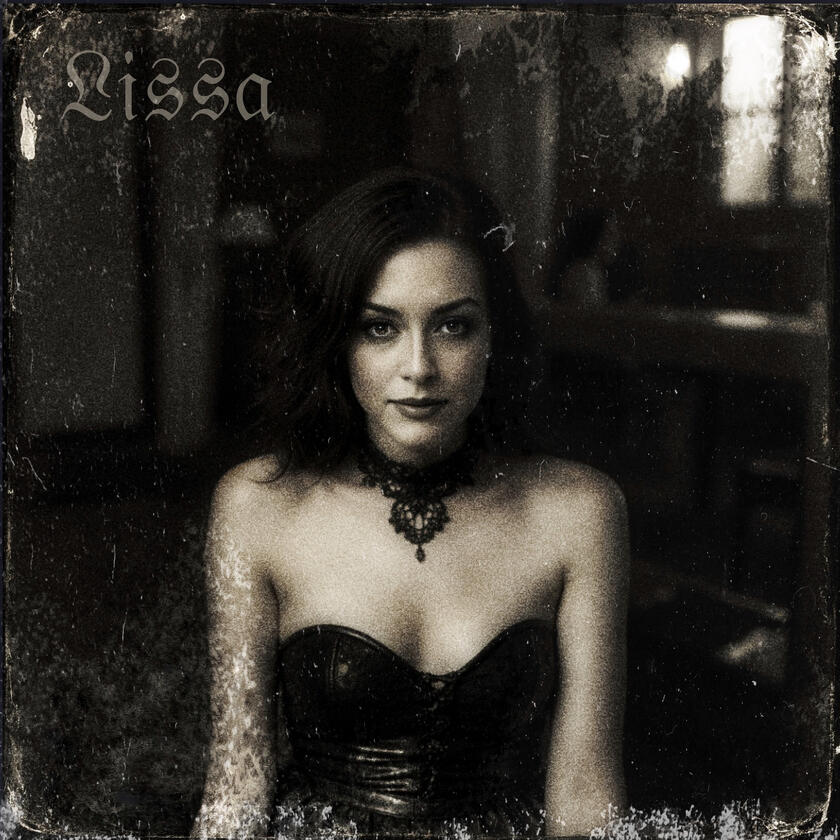
"Only The Cold Knows" examines the 1892 desecration of Mercy Brown through the lens of institutional violence and historical misogyny. When tuberculosis devastated her community, male authority figures—physicians, ministers, and elders—channeled panic into superstition, violating a young woman's grave, cutting out her heart, and burning her remains to ashes. Written from Mercy's perspective, the track reframes the incident not as a curious piece of vampire folklore, but as an indictment of an enduring patriarchal system that has historically made scapegoats of women, stripped them of bodily autonomy, and denied them peace even in death.
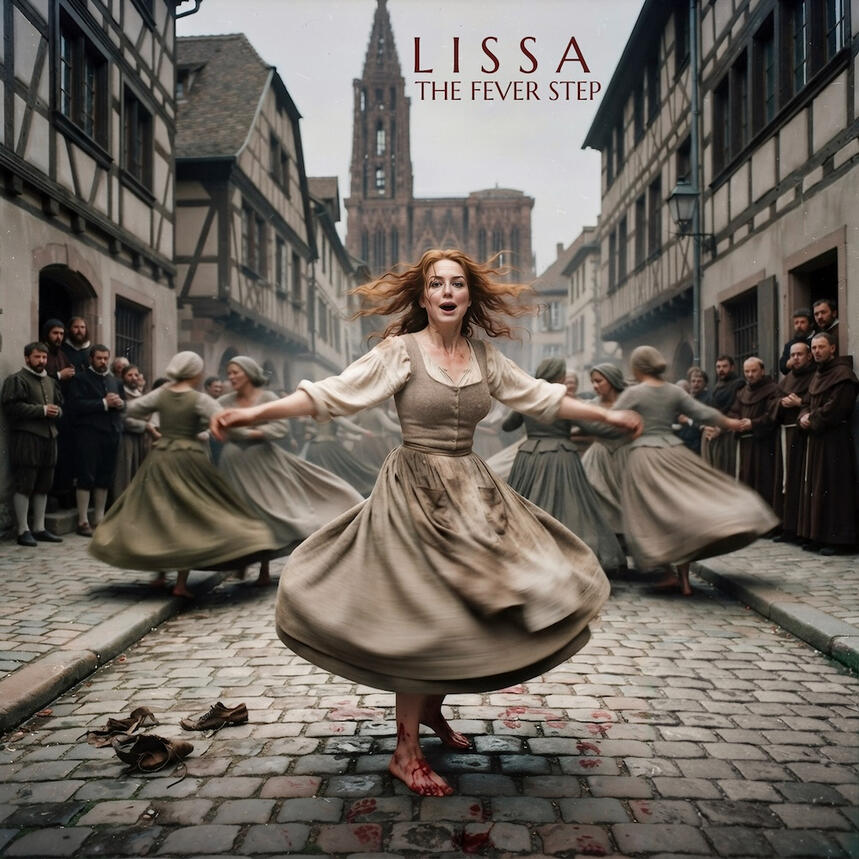
The Fever StepWritten from the perspective of Frau Troffea. In July 1518, amidst crushing famine, disease, and social oppression in Strasbourg, Frau Troffea stepped out onto the cobblestones and began to dance. She did not stop for days. Within weeks, hundreds of citizens joined her in a hypnotic, uncontrollable frenzy—dancing until their shoes shredded and their feet bled, confounding the civic authorities, physicians, and clergy who attempted to cure them with hired musicians and forced isolation. "The Fever Step" reframes the Strasbourg Dancing Plague away from pathological curiosity or mass hysteria, treating it instead as an involuntary, kinetic rebellion. Propelled by driving four-on-the-floor stomps and frenetic fiddles, the track captures the collective breaking point of bodies that refused to remain silent, pious, or still in a world designed to starve them.
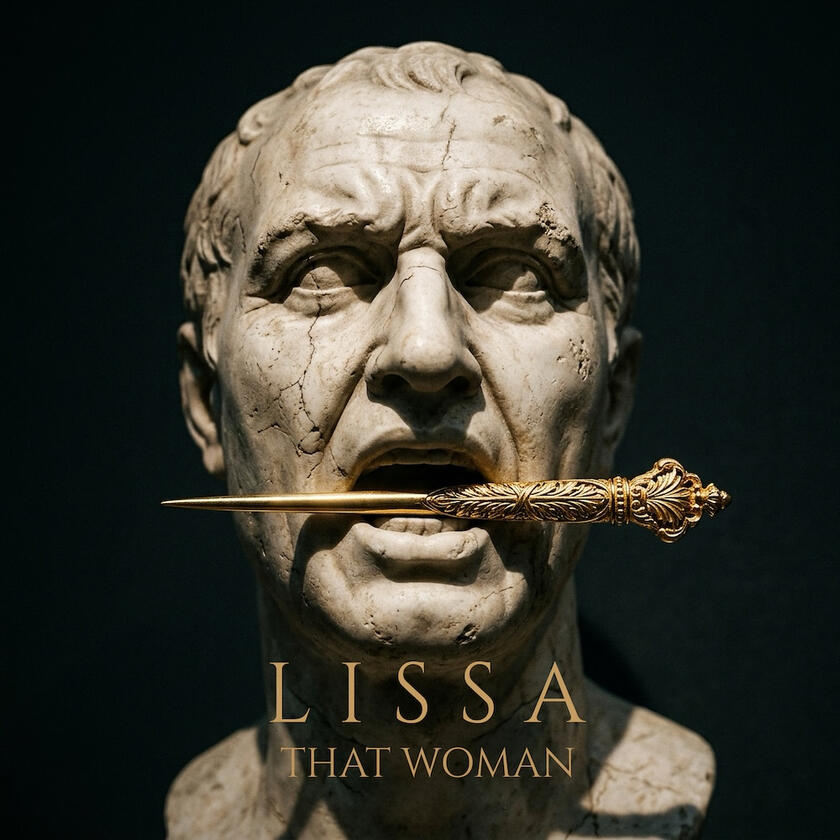
That WomanIn late 43 BCE, as the Roman Republic fractured into civil war, the orator Cicero launched vicious rhetorical attacks from the Rostra against Marc Antony. Rather than attacking Antony alone, Cicero turned his venom onto Antony’s formidable wife, Fulvia—refusing to speak her name, sneering at her as "illa" ("that woman"), and painting her as an unnatural menace meddling in male governance. Fulvia was no bystander: she managed political alliances, commanded legions, and funded armies. Following the proscriptions, when Cicero was executed, his severed head was brought to Fulvia. In an act of deliberate retribution, she drew a golden pin from her hair and drove it straight through his tongue. "That Woman" reframes this confrontation not as gratuitous violence, but as the calculated silencing of a demagogue's weaponized slander, bridging late-republican political invective directly with modern populist rhetoric.Release date: October 19th, 2026
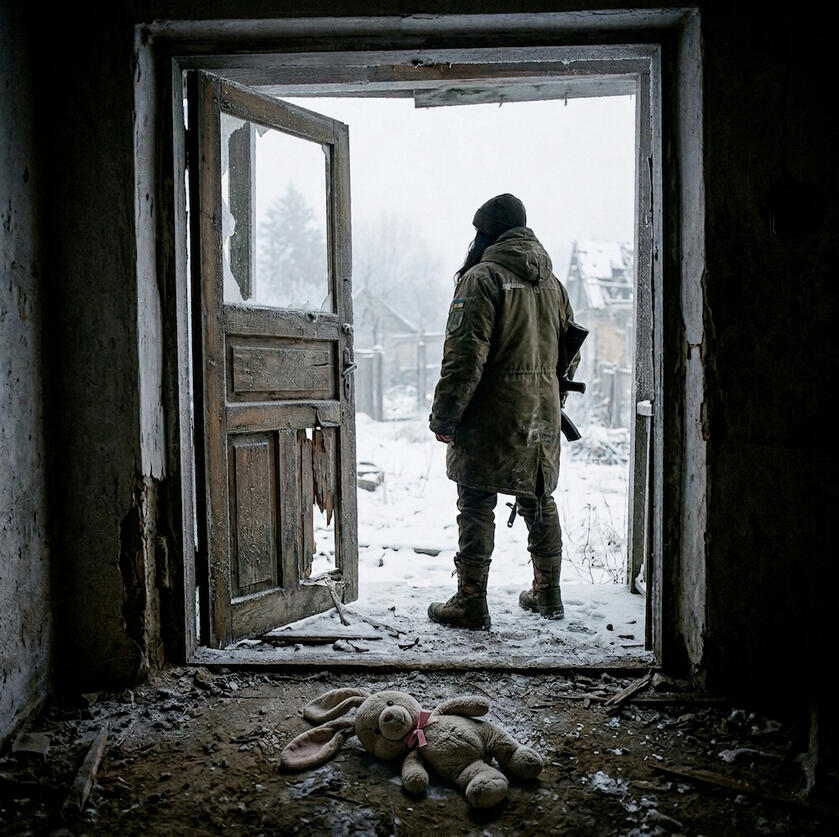
The Witches of Bucha (Shchedryk)An industrial dark-electronic war anthem by Lissa, that reframes Mykola Leontovych’s iconic 1916 Shchedryk melody into a modern monument of Ukrainian survival and militant civil defense. Written from the perspective of northern Ukraine's real-world, volunteer all-female mobile air defense teams—who patrol winter rooftops and truck beds with searchlights and heavy guns to intercept drone strikes—the track confronts the traumatic civilian toll of the Bucha atrocities with unyielding resolve, moving from shattered classrooms and domestic violation to fierce frontline defiance ("Shoot the hunters straight to hell / This is where we make our stand"), before culminating in the historic resistance rallying cry of «Слава Україні!» and the quiet, sovereign whisper that Ukraine remains free.Release date: November 6th, 2026
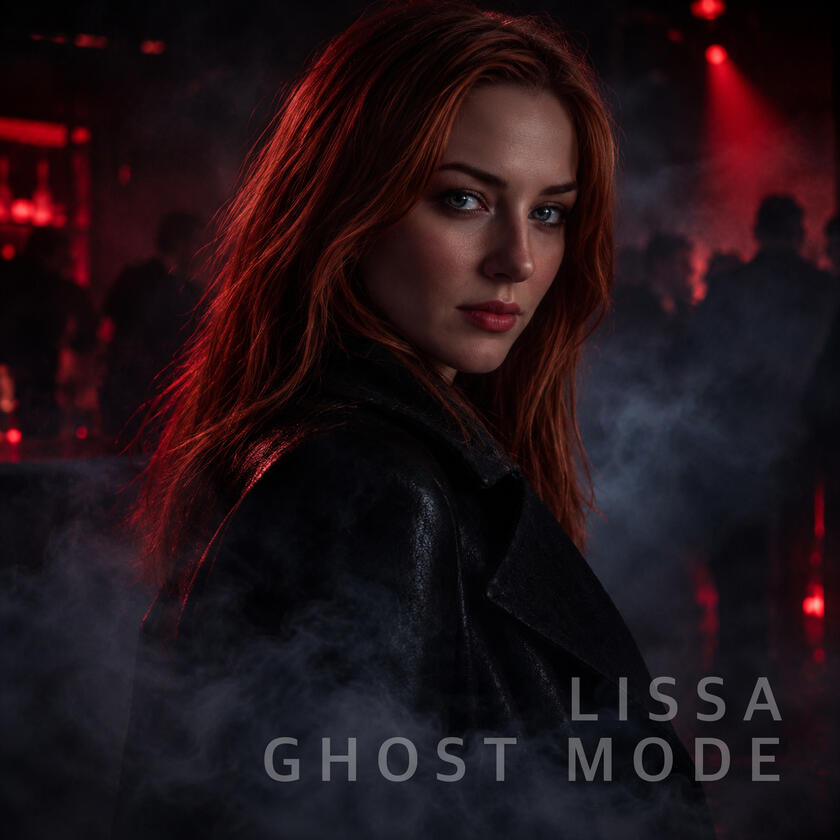
Ghost ModeIn a world obsessed with broadcasting every movement, silence is a radical choice. "Ghost Mode" is a nocturnal electro-folk track built on the tension between hyper-surveillance and voluntary erasure. Driven by driving 124 BPM kicks, deep rolling sub-bass, and a cutting acoustic fiddle motif, Lissa’s whisper vocals chronicle the deliberate act of cutting the cord—stepping off the grid, letting the room fade to black, and stepping into the crowd unnoticed. No name. No face. Just the pulse inside the room.Release date: November 20th, 2026
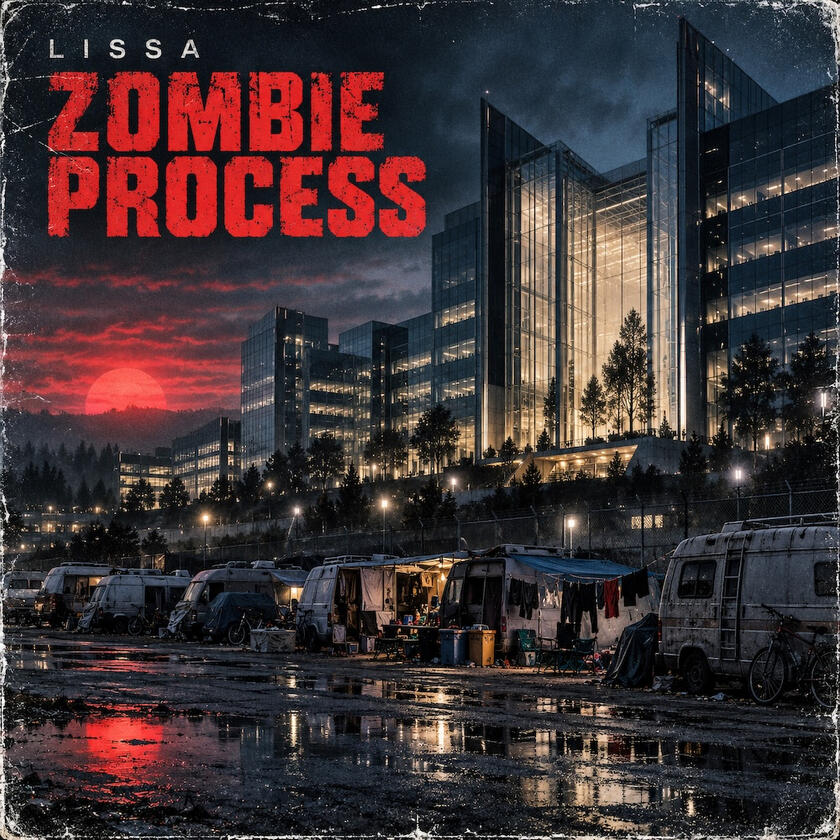
Zombie Process“Zombie Process” is a dark reflection on technological wealth, inequality, and the erosion of empathy.Set against a world of soaring fortunes, workers living out of vehicles, and systems optimized for everything except the people inside them, the song asks what happens when progress keeps accelerating long after anyone has stopped to ask who it is serving.Its title comes from computing: a zombie process is something that has finished its purpose but still remains in the system.Release date: December 4th, 2026
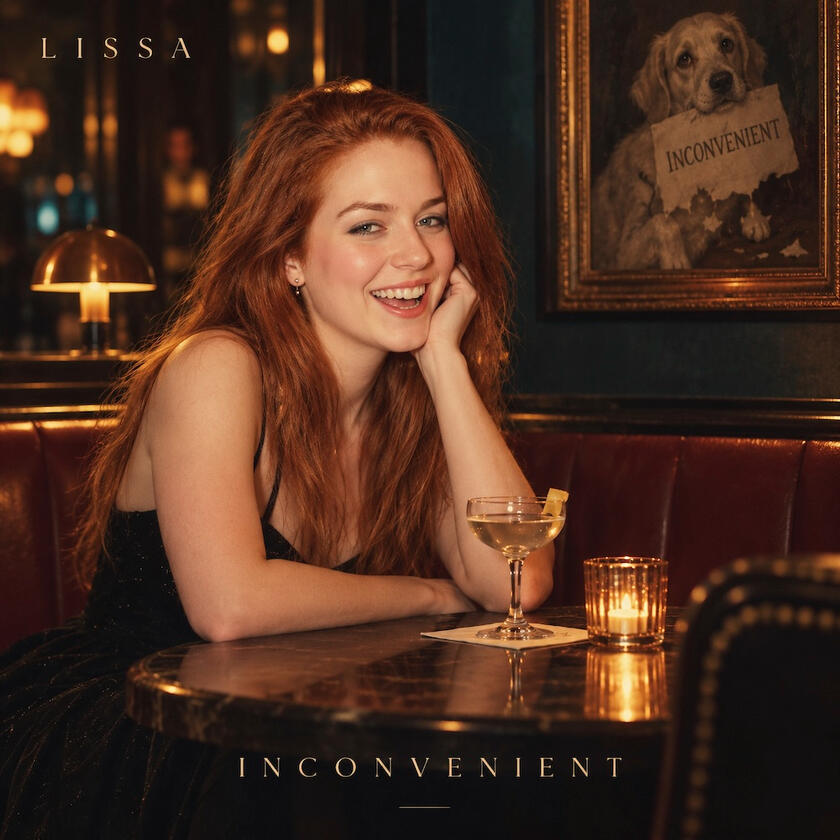
Inconvenient“Inconvenient” is about meeting someone when nothing is missing, nothing needs fixing, and you were perfectly happy with your life exactly as it was.Then they say something real, make you want to stay, and suddenly walking away is much harder than it was supposed to be.Sometimes attraction isn’t rescue or need. Sometimes it’s simply inconvenient.Release date: December 18th, 2026